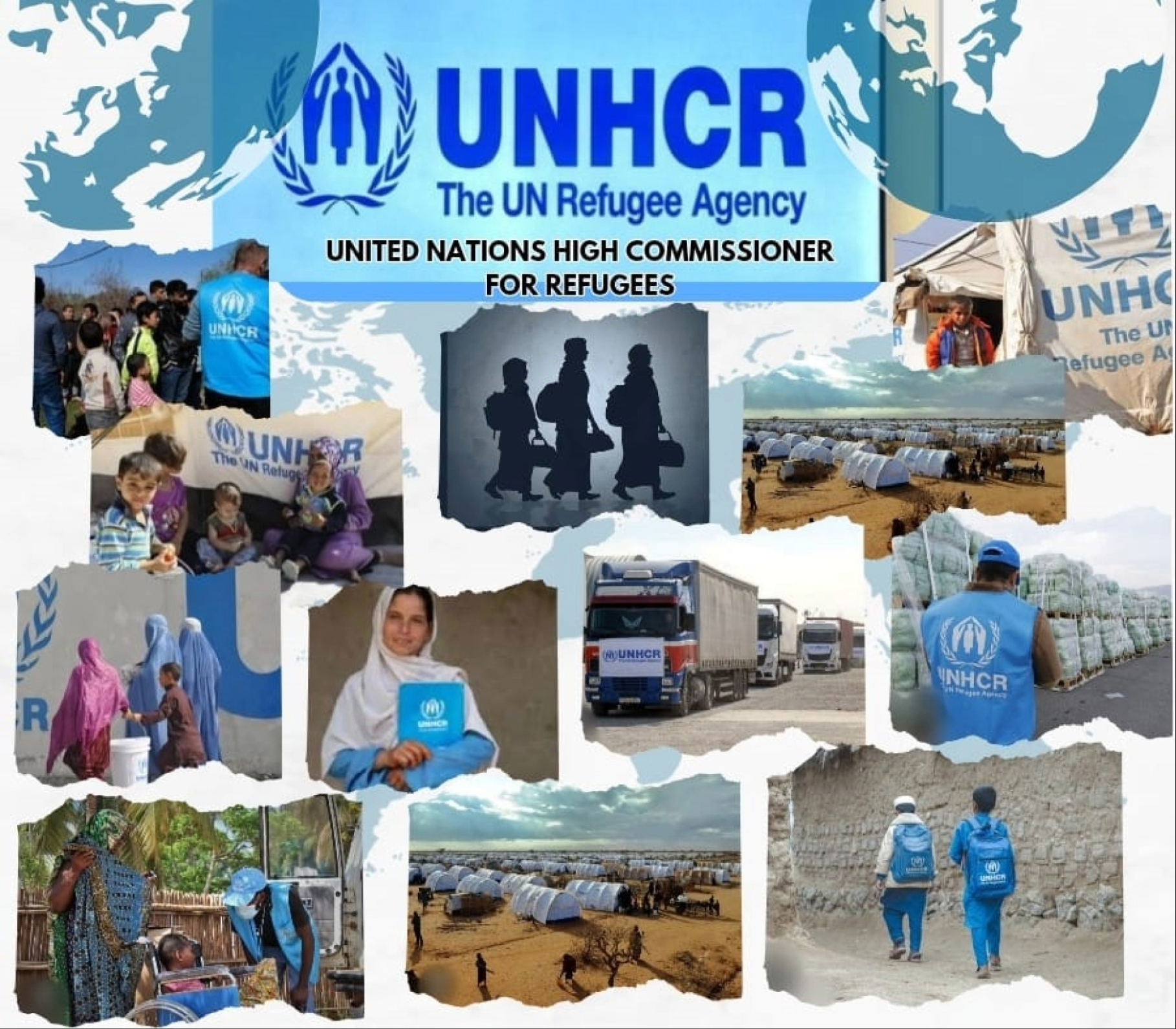
The United Nations High Commissioner for Refugees (UNHCR) is a specialized agency of the United Nations that provides protection and assistance to refugees, asylum seekers, and stateless people. Established on December 14, 1950, by the United Nations General Assembly, UNHCR operates in over 130 countries worldwide, working to safeguard the rights and well-being of millions of people forced to flee their homes due to conflict, persecution, or natural disasters.
Mandate and Objectives
UNHCR’s mandate is based on the 1951 Refugee Convention and its 1967 Protocol, which define the term “refugee” and outline the rights and responsibilities of states towards refugees. The organization’s objectives include:
- Protecting refugees and asylum seekers
- Assisting refugees and asylum seekers
- Finding durable solutions for refugees
- Preventing and reducing statelessness
- Promoting the rights and dignity of refugees and stateless people
Headquarters and Regional Offices
UNHCR’s headquarters is located in Geneva, Switzerland. The organization has a global presence, with over 400 offices in more than 130 countries, allowing it to respond quickly and effectively to emergencies and protracted refugee situations. Regional offices are strategically located to coordinate responses, provide support, and engage with governments, partners, and communities.
Structure
UNHCR’s structure consists of:
High Commissioner: The head of UNHCR, appointed by the UN General Assembly, provides strategic leadership and direction.
Executive Committee: Comprising representatives from UNHCR’s member states, the Executive Committee provides guidance and oversight on UNHCR’s programs and policies.
Regional Bureaus: UNHCR’s regional bureaus, located in different parts of the world, oversee operations, coordinate responses, and engage with governments and partners.
Country Offices: UNHCR’s country offices implement programs, provide assistance, and work with governments, partners, and communities to protect and assist refugees and other persons of concern.
How UNHCR Works
UNHCR’s work is guided by its mandate to protect and assist refugees, asylum seekers, and stateless people. The organization works in various contexts, including:
UNHCR Works in War and Conflict
UNHCR plays a vital role in responding to war and conflict, providing critical protection and assistance to people affected by violence and displacement. Here are some ways UNHCR works in war and conflict:
- Emergency Response: UNHCR responds to emergencies, providing life-saving assistance, shelter, and protection to people affected by conflict and violence.
- Protection: UNHCR works to safeguard the rights and dignity of people affected by conflict, promoting access to justice, safety, and protection.
- Assistance: UNHCR provides essential assistance, including food, shelter, healthcare, and education, to people in need.
- Protection of Civilians: UNHCR works to protect civilians, including women, children, and other vulnerable groups, from violence, exploitation, and abuse.
- Support for IDPs: UNHCR provides protection and assistance to internally displaced persons (IDPs), working to address the root causes of displacement and promote durable solutions.
- Humanitarian Access: UNHCR works to ensure humanitarian access to affected populations, facilitating the delivery of aid and services.
- Advocacy: UNHCR advocates for the rights and dignity of people affected by conflict, promoting respect for international humanitarian law and refugee law.
UNHCR’s Operational Challenges
UNHCR faces significant challenges in responding to war and conflict, including:
Access constraints: UNHCR often faces challenges in accessing affected populations, due to insecurity, bureaucratic restrictions, or lack of infrastructure.
Security risks: UNHCR staff and partners face security risks, including violence, kidnapping, and attacks on humanitarian personnel.
Funding constraints: UNHCR relies on voluntary contributions, which can be unpredictable and insufficient to meet the needs of affected populations.
UNHCR Humanitarian Impact
Despite these challenges, UNHCR’s work in war and conflict has a significant impact, including:
Saving lives: UNHCR’s emergency response and protection efforts save lives and reduce suffering.
Protecting rights: UNHCR’s advocacy and protection efforts promote respect for international humanitarian law and refugee law, protecting the rights and dignity of people affected by conflict.
Promoting resilience: UNHCR’s assistance and support efforts help people affected by conflict to rebuild their lives and promote resilience.
UNHCR in War and Conflict Zones:
UNHCR provides emergency response, protection, and assistance to people affected by conflict and violence.
Peace and Stability: UNHCR works with governments and partners to find durable solutions for refugees, promote voluntary repatriation, and support sustainable reintegration
UNHCR Work Around the World
UNHCR has been involved in numerous humanitarian responses and operations worldwide, including:
UNHCR’s Role in the Afghan Crisis
The United Nations High Commissioner for Refugees (UNHCR) has been responding to the Afghan crisis for decades, providing critical protection and assistance to refugees, internally displaced persons (IDPs), and returnees. The agency’s work has focused on safeguarding the rights and dignity of affected populations, promoting access to justice, safety, and protection.
Protection and Assistance
UNHCR has provided essential assistance, including food, shelter, healthcare, and education, to Afghan refugees and IDPs. The agency has worked to ensure that affected populations have access to basic services, such as water, sanitation, and hygiene (WASH) facilities, as well as protection services, including gender-based violence (GBV) prevention and response.
Response to Displacement
UNHCR has responded to sudden displacements, providing life-saving assistance and protection to those in need. The agency has worked with governments, UN agencies, and partners to respond to the needs of IDPs, promoting durable solutions and reintegration. UNHCR has also facilitated the voluntary repatriation of Afghan refugees, promoting sustainable reintegration and rehabilitation in Afghanistan.
Regional Response
UNHCR has coordinated with governments, UN agencies, and partners to respond to the regional implications of the Afghan crisis. The agency has worked with countries hosting Afghan refugees, such as Pakistan and Iran, to promote refugee protection, assistance, and durable solutions. UNHCR has also engaged with governments and partners in the region to promote a comprehensive and coordinated response to the crisis.
Challenges and Opportunities
The Afghan crisis has posed significant challenges to UNHCR’s operations, including funding constraints and security concerns. Despite these challenges, UNHCR has worked to promote resilience and sustainability, empowering Afghan refugees and IDPs to rebuild their lives and contribute to their communities. The agency has also explored innovative solutions, such as cash-based interventions and community-based protection, to enhance the effectiveness and efficiency of its response.
UNHCR Humanitarian Aid Impact during Afghan crisis
UNHCR’s work in the Afghan crisis has had a significant impact, saving lives, reducing suffering, and promoting resilience and sustainability. The agency’s protection and assistance efforts have helped to safeguard the rights and dignity of affected populations, while its durable solutions have enabled refugees and IDPs to rebuild their lives and contribute to their communities. As the crisis continues to evolve, UNHCR’s work will remain critical in responding to the needs of affected populations and promoting a sustainable and peaceful future.
Future Directions
The UNHCR plays a crucial role in facilitating the voluntary repatriation of Afghans from Pakistan to Afghanistan. UNHCR initating steps are:
Voluntary Repatriation Centers (VRCs): UNHCR operates VRCs in Pakistan where Afghan refugees can register for voluntary repatriation. These centers provide assistance with documentation, transportation, and other logistical support.
Cash Grants: UNHCR provides a one-time cash grant to registered Afghan refugees who choose to repatriate. The grant amount varies, but as of August 2025, it’s AFN 10,550 per household.
Return Assistance: Upon arrival in Afghanistan, returnees receive a Return Certificate from the Afghan Directorate of Refugees and Repatriation (DORR). They are then referred to an Encashment Center, where they can collect their cash grant and receive further assistance.
Protection and Services: UNHCR provides protection services, basic healthcare, mine awareness, and information to returnees. Vulnerable individuals may also receive shelter and livelihood assistance.
UNHCR also advocates for the protection of refugee rights and works to ensure that returns are voluntary, safe, and dignified. However, the agency has expressed concern about the protection risks faced by Afghans in Afghanistan, particularly women and girls, due to the current human rights situation .
UNHCR’s Role in the Ukraine Crisis
The United Nations High Commissioner for Refugees (UNHCR) has been actively responding to the Ukraine crisis since 2014, providing critical protection and assistance to refugees and internally displaced persons (IDPs). The agency’s work has focused on safeguarding the rights and dignity of affected populations, promoting access to justice, safety, and protection.
Protection and Assistance
UNHCR has provided essential assistance, including food, shelter, healthcare, and education, to refugees and IDPs. The agency has also worked to promote protection, particularly for vulnerable groups such as women, children, and the elderly. This includes identifying and responding to protection risks, such as gender-based violence, human trafficking, and exploitation.
Response to Displacement
The Ukraine crisis has resulted in significant displacement, both within Ukraine and in neighboring countries. UNHCR has responded to sudden displacements, providing life-saving assistance and protection to those in need. The agency has worked with governments, UN agencies, and partners to respond to the needs of IDPs, promoting durable solutions and reintegration.
Regional Response
The Ukraine crisis has had significant regional implications, with millions of refugees fleeing to neighboring countries. UNHCR has worked with governments, UN agencies, and partners to respond to the regional implications of the crisis, promoting refugee protection, assistance, and durable solutions. The agency has also provided technical support and guidance to governments on refugee protection and international humanitarian law.
UNHCR key response activities
UNHCR key activities in response to the Ukraine crisis include:
Protection monitoring: UNHCR conducts protection monitoring to identify and respond to protection risks, including gender-based violence, human trafficking, and exploitation.
Cash assistance: UNHCR provides cash assistance to refugees and IDPs, enabling them to meet their basic needs and support themselves.
Shelter and settlement: UNHCR works to provide shelter and settlement assistance to refugees and IDPs, promoting safe and dignified living conditions.
Durable solutions: UNHCR works to promote durable solutions, including voluntary repatriation, local integration, and resettlement to third countries.
Challenges and hurdles
Despite its efforts, UNHCR faces significant challenges in responding to the Ukraine crisis. These include:
Funding constraints: UNHCR’s response to the Ukraine crisis is significantly underfunded, impacting the agency’s ability to meet the needs of affected populations.
Security concerns: The security situation in Ukraine and neighboring countries poses significant challenges to UNHCR’s operations.
Access constraints: UNHCR faces access constraints in some areas of Ukraine, limiting the agency’s ability to provide assistance and protection to affected populations.
Overall, UNHCR’s role in the Ukraine crisis has been critical, providing protection, assistance, and durable solutions to those affected by conflict and displacement. Despite challenges, the agency continues to work with governments, partners, and affected populations to promote humanitarian principles and international law.
East Timor:
The UNHCR played a crucial role in responding to the East Timor crisis, which began in 1999.
UNHCR also significantly support the people of East Timor during the transition to independence in 2002, providing assistance and protection to refugees and IDPs.
Here are some key aspects of UNHCR:
Emergency Response: UNHCR sent an emergency team and urgently needed supplies to help tens of thousands of people displaced by the violence.
Protection and Assistance: The agency worked to provide necessary protection and assistance to East Timorese refugees, including those who fled to West Timor.
Repatriation: UNHCR facilitated the repatriation of East Timorese refugees, with over 220,000 returnees reported by 2000.
Refugee Status: UNHCR determined the refugee status of East Timorese who fled to West Timor and provided assistance to those who remained in the region.
Collaboration with Governments: UNHCR worked closely with governments, including Indonesia and Australia, to ensure a coordinated response to the crisis.
Humanitarian Efforts: The agency’s efforts were part of a broader humanitarian response, which included providing food, shelter, and medical care to affected populations.
Some notable statistics highlighting the extent of UNHCR’s involvement include:
*290,000: The number of refugees and displaced persons initially anticipated by UNHCR, which was later exceeded.
*161,582: The number of East Timorese who returned through joint efforts by UNHCR, IOM, INGOs, and local organizations as of May 18, 2000.
*30,000: The number of East Timorese who still remained in West Timor and were set to cease being regarded as refugees after January 1.
Overall, UNHCR’s role in the East Timor crisis was critical in providing protection, assistance, and support to affected populations and facilitating their safe return and reintegration.
Syrian Refugee Crisis:
UNHCR has provided assistance and protection to millions of Syrians displaced by the conflict, both within Syria and in neighboring countries.
The UNHCR played a vital role in responding to the Syrian refugee crisis, which began in 2011. Here are some key aspects of their role:
Providing Essential Assistance
- UNHCR provides lifesaving assistance, including shelter, food, clean water, hot meals, and medical care to families who have been forced to flee their homes.
- They distribute relief items, such as non-food items, and provide emergency shelter to those in need.
Protection and Support
- UNHCR works to safeguard the rights and dignity of refugees, promoting access to justice, safety, and protection.
- They provide psychosocial support and protection services to refugees, including those who have experienced trauma or violence.
Supporting Durable Solutions
- UNHCR supports refugees in finding durable solutions, including voluntary repatriation, local integration, and resettlement to third countries.
- They work with governments and partners to promote refugee self-reliance and inclusion, enabling them to rebuild their lives.
Responding to Regional Needs
- UNHCR has a regional response plan in place, working with governments, UN agencies, and partners to address the needs of refugees and host communities.
- They provide critical support to countries hosting large numbers of Syrian refugees, such as Turkey, Lebanon, and Jordan.
Challenges and Opportunities
- The Syria crisis remains one of the largest refugee crises globally, with over 14 million Syrians in need of humanitarian assistance.
- UNHCR faces significant funding constraints, impacting their ability to meet the needs of affected populations.
- Despite these challenges, UNHCR continues to work with governments, partners, and affected populations to promote humanitarian principles and international law ¹ ².
Contacting UNHCR
UNHCR can be contacted through its website, phone, or email. Individuals can also visit UNHCR offices in person to seek assistance or provide support.
- Website: www.unhcr.org
- Phone: +41 22 739 8111 (Geneva)
- Email: mailto:hq@unhcr.org
UNHCR Assistance and Humanitarian Aid
UNHCR provides a range of assistance and protection services, including:
Emergency Response: UNHCR responds to emergencies, providing life-saving assistance, shelter, and protection to people affected by conflict, violence, or natural disasters.
Protection: UNHCR works to safeguard the rights and dignity of refugees, asylum seekers, and stateless people, promoting access to justice, safety, and protection.
Assistance: UNHCR provides essential assistance, including food, shelter, healthcare, and education, to people in need.
Durable Solutions: UNHCR works with governments and partners to find durable solutions for refugees, promoting voluntary repatriation, local integration, or resettlement to third countries.
In summary, UNHCR is a vital organisation that works tirelessly to protect and assist refugees, asylum seekers, and stateless people worldwide. With its headquarters in Geneva and a presence in over 130 countries, UNHCR provides emergency response, protection, and assistance to those in need, working towards finding durable solutions and promoting sustainable futures for millions of people.