


The United Nations Development Program
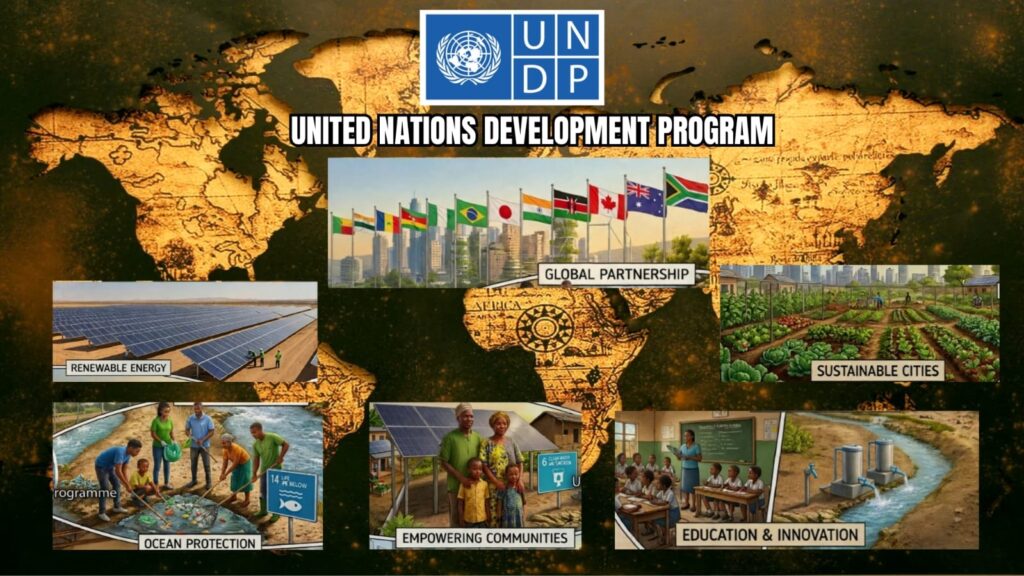
The United Nations Development program (UNDP): A Global Force for Development
The United Nations Development Program (UNDP) is the United Nations’ global development network. Its mission is to help countries eradicate poverty, achieve sustainable growth, and build resilience so people can lead better lives.
As the largest UN development agency, UNDP operates in about 177 countries and territories, working with governments and partners to turn global goals into local action.
Formation: Why UNDP Was Created
UNDP was founded on 22 November 1965 through the merger of two earlier UN initiatives
1. Expanded Program of Technical Assistance (EPTA) – established in 1949 to support economic and political development in newly independent and underdeveloped countries.
2. United Nations Special Fund – created in 1958 to expand technical assistance and prepare countries for investment.
The merger was recommended by the UN Economic and Social Council to avoid duplication. The goal was to create one agency that could provide coordinated technical advice, training, and grants to build long-term self-sufficiency.
Headquarters, Structure and Funding
Headquarters: One United Nations Plaza, New York City, USA
Parent Organization: UN Economic and Social Council (ECOSOC)
Leadership:The UNDP Administrator is the 3rd highest-ranking official in the UN system
– Global Presence: Offices in 177 countries
– Funding: Funded entirely by voluntary contributions from UN member states
Staff: Approximately 7,394 staff globally as of 2022
UNDP works in all 193 UN member states through partnerships with national governments.
Core Mandate:
UNDP’s work is guided by the Sustainable Development Goals (SDGs). It focuses on three interconnected areas:
1. Poverty Eradication & Inclusive Growth
Supporting jobs, entrepreneurship, social protection, and policies that leave no one behind.
2. Democratic Governance and Peacebuilding
Strengthening institutions, rule of law, elections, anti-corruption, and giving people a greater voice.
3. Climate Change and Disaster Resilience
Renewable energy, biodiversity, disaster risk reduction, and adaptation to climate impacts.
UNDP also promotes technical and investment cooperation among nations and publishes the annual Human Development Report since 1990.
UNDP : In Peace and In Crisis
In Peace / Development Settings
UNDP provides expert advice, policy support, and grants to governments. It helps countries design development plans, attract financing, and build institutions. It emphasizes developing local capacity toward long-term self-sufficiency.
In War and Crisis Settings
Through its Crisis Prevention and Recovery mandate, UNDP works on:
1: Prevention: Dialogue, small arms control, and early warning systems
2: Recovery: Restoring livelihoods, basic services, and governance after conflict or natural disaster
3: Resilience: Helping communities “build back better” so they are less vulnerable next time
UNDP does not conduct peacekeeping. It focuses on the development side of peace and stability.
UNDP Work Around the World:
Africa
Nigeria: Youth employment and stabilization programs in the northeast.
Rwanda: Support for e-governance and green growth.
Asia
Bangladesh: Climate adaptation, cyclone shelters, and support for refugees.
Afghanistan: Livelihoods and community resilience programs during humanitarian crisis.
Arab States
Iraq & Syria: Early recovery, rebuilding infrastructure, and restoring local governance after conflict.
Somalia: Job creation and stabilization in fragile areas.
Europe & Central Asia
Ukraine: Rapid response to war damage, restoring energy, housing, and livelihoods.
Moldova: Support for refugees and energy security.
Latin America & Caribbean
Colombia: Peacebuilding and reintegration of ex-combatants.
Brazil: Forest conservation and sustainable development in the Amazon.
Pacific & Small Island State
Fiji & Vanuatu: Climate resilience, disaster preparedness, and renewable energy.
UNDP in Pakistan
UNDP has worked in Pakistan since 1966. The country office is in Islamabad.
In Pakistan, UNDP focuses on:
Climate and Disaster Resilience: Support after the 2022 floods and GLOF risk reduction.
Governance: Assistance to the Election Commission, Parliament, and access to justice programs.
Poverty and Jobs: Skills training and livelihoods for youth and women.
Connect to UNDP
Global Headquarters
One United Nations Plaza, New York, NY 10017, USA
Tel: (212) 906-5000
Website: http://www.undp.org
UNDP does not provide direct funding to individuals. It works through governments and partner organizations.
Conclusion
Since 1965, UNDP has served as the United Nations’ lead agency for development. It was created to unify fragmented technical assistance programs, and over six decades it has evolved into the world’s largest development network.
In times of peace, UNDP acts as a partner in progress. It helps governments design policies that reduce poverty, create jobs, strengthen democratic institutions, and protect the environment. By investing in local capacity, UNDP ensures that solutions are owned by the people who use them, making development sustainable long after projects end.
In times of war and disaster, UNDP becomes a bridge between emergency relief and long-term recovery. It helps communities restore livelihoods, rebuild infrastructure, and restore trust in governance. Its crisis work is not about temporary aid, but about laying the foundation for stability and preventing future cycles of conflict and vulnerability.
From climate resilience in Pacific island nations to governance reforms in Africa, from post-war recovery in Ukraine to flood response in Pakistan, UNDP’s model remains consistent: connect countries to knowledge, finance, and each other, and put national ownership at the center.
The true measure of UNDP’s success is a world where its support is no longer needed. By focusing on self-reliance, inclusion, and resilience, UNDP continues to work toward the 2030 Agenda and a future where every person can live in dignity, prosperity, and peace.